Bug-Out Bags and Survival Training Are Now Mainstream — Here's the Data
TL;DR: The global survival tools market was valued at $1.16 billion in 2022 and is projected to reach $2.46 billion by 2030 at a 7% CAGR, confirming that disaster preparedness has crossed from fringe subculture into mainstream American life.
Prepping is no longer the hobby of basement bunker builders and tinfoil-hat enthusiasts. As of 2024, roughly one in three U.S. adults has invested in some form of emergency preparedness, according to a survey by financial research firm Finder. The catalysts are concrete: 122 separate billion-dollar weather disasters struck the United States between 2016 and 2022, causing over $1 trillion in damages, per the National Oceanic and Atmospheric Administration (NOAA). Add a global pandemic, ongoing conflict in Ukraine, supply chain shocks, and record-breaking wildfire seasons, and the case for a well-stocked bug-out bag writes itself.
According to Newsweek's reporting on Zion Market Research data, the doomsday prepping sector is "poised to become a $2.46 billion industry" — a figure that underscores just how mainstream the concept has become (Newsweek, 2023).
What Changed: From Stigma to Strategy
For decades, the word "prepper" conjured images of paranoid hermits stockpiling canned beans in remote compounds. That stereotype is dissolving fast.
Rick Leesmann, an avid prepper profiled in a Wall Street Journal feature, described his evolution this way: "I was just a PlayStation 5, love-my-comfort guy before, but once I realized how much I take for granted, it clicked. Preparedness is about being proactive." His story is increasingly representative, not exceptional.
The Houston Herald reported in late 2023 that the post-COVID-19 environment — with its vivid memories of empty grocery shelves, overwhelmed hospitals, and weeks-long supply chain failures — fundamentally shifted how Americans think about household resilience (Houston Herald, 2023). What was once considered paranoid is now considered prudent.
Finder's April 2023 survey data reinforces this shift: interest in preparedness is highest among men and Generation Z adults — two demographics that marketers typically associate with tech adoption curves, not doomsday planning. When Gen Z starts buying emergency kits, a cultural tipping point has been reached.
The Numbers Behind the Boom
The survival tools market doesn't lie:
- 2022 market value: $1.16 billion (Zion Market Research)
- 2030 projected value: $2.46 billion
- CAGR 2023–2030: approximately 7%
- U.S. billion-dollar disasters, 2016–2022: 122 events, per NOAA
- Total economic damages from those events: over $1 trillion
- U.S. adults with emergency preparedness investments: ~33%, per Finder (April 2023)
Those numbers translate directly into retail sales. Outdoor and survival gear retailers have reported year-over-year growth across emergency food supplies, water filtration systems, and multi-tool kits. Major outdoor brands are taking notice and moving aggressively into the space.
What's Inside a Modern Bug-Out Bag
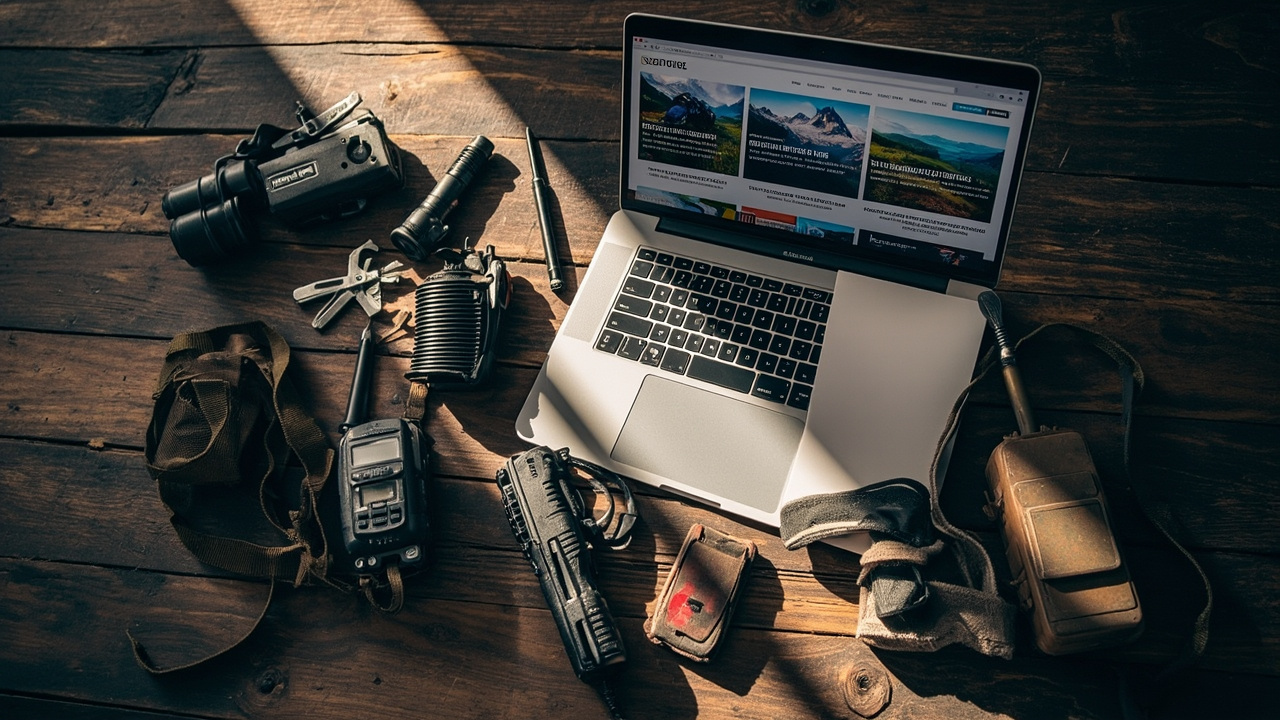
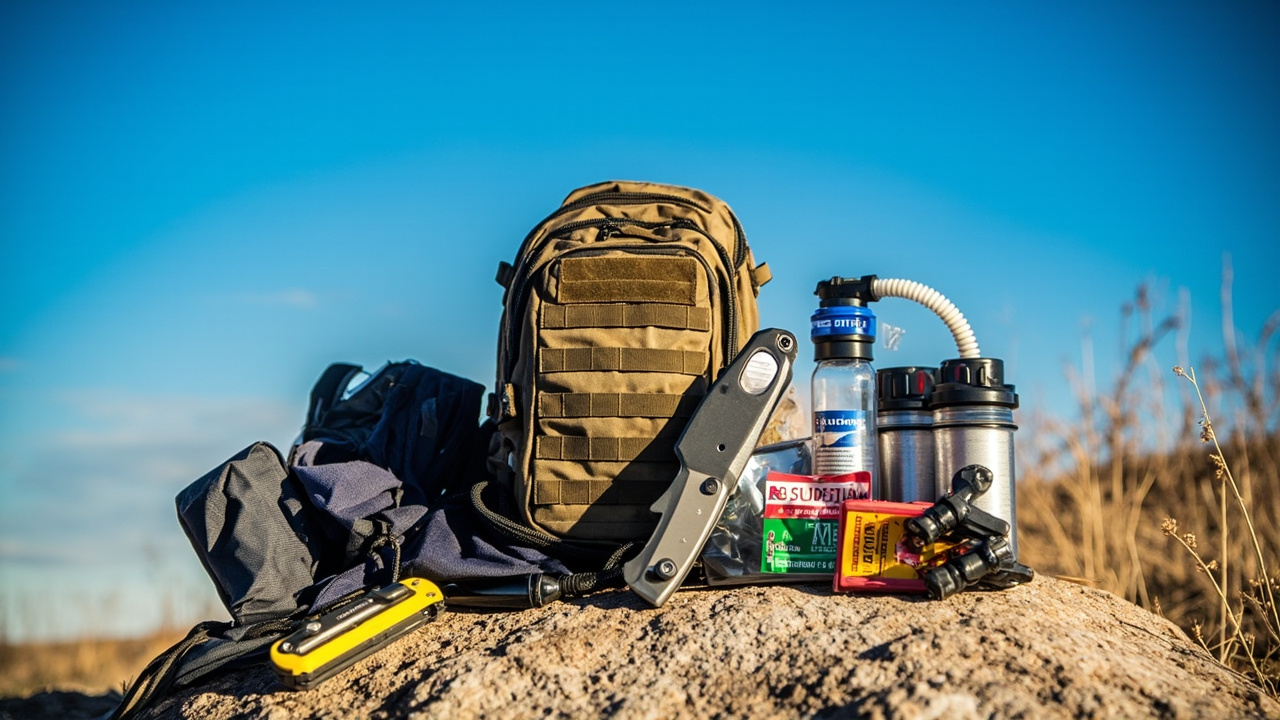
A bug-out bag (BOB) is a portable kit designed to sustain one person for 72 hours if they must evacuate quickly. The concept originated in military and civil defense planning, but today's versions are far more sophisticated — and far more commercially polished.
The Core Five Categories
1. Water and Filtration Minimum 1 liter of stored water per person per day, supplemented by a portable filtration device. The Sawyer Squeeze and LifeStraw Mission remain top choices as of 2024, capable of filtering up to 1 million gallons and 264,000 gallons respectively without replacement filters.
2. Food High-calorie, long-shelf-life options: freeze-dried meals (Mountain House, Wise Company), energy bars, and compact ration packs. Target 1,200–2,000 calories per day minimum.
3. Shelter and Warmth Mylar emergency blankets, a compact bivy sack or tarp, and fire-starting tools (ferrocerium rod, waterproof matches, lighter). Temperature regulation is the number-one survival priority after hydration.
4. First Aid and Medical A comprehensive kit covering wound care, tourniquets (the CAT tourniquet is military-standard), blister treatment, and any personal medications. Consider adding a SAM splint and Israeli bandage for serious trauma.
5. Communication and Navigation A battery-powered or hand-crank weather radio, a physical topographic map of your region, a compass, and — increasingly — a personal locator beacon (PLB) or satellite communicator like the Garmin inReach Mini 2 ($349.99 MSRP).
Premium Kits Enter the Market
Companies are catering to consumers who want a ready-made solution. One standout example: outdoor lifestyle brand Yeti partnered with survival gear specialist Uncharted Supply Co. to launch co-branded survival kits retailing at up to $730. These kits integrate Yeti's rugged cooler technology with Uncharted's curated emergency gear — Mylar tents, water filtration units, emergency blankets, and high-durability tools — in a single premium package.
This kind of brand collaboration signals that survival gear has fully arrived in the aspirational consumer market, sitting alongside luxury camping gear and high-end outdoor apparel.
Survival Training: Skills Are the Ultimate Gear
A bag full of gear is only as useful as the person carrying it. This recognition has fueled explosive growth in survival skills training courses across the United States.
Organizations like the American Red Cross, FEMA's Community Emergency Response Team (CERT) program, and private companies such as Sigma 3 Survival School offer courses ranging from half-day urban preparedness workshops to week-long wilderness survival immersions. CERT alone has trained over 700,000 volunteers nationwide as of 2023, according to FEMA's program records.
Core skills being taught include:
- Fire starting without modern lighters
- Water sourcing and purification in the field
- Navigation using map and compass
- Shelter construction from natural materials
- Basic trauma care and wilderness first aid
- Food foraging and small-game trapping
Survival training schools report that their fastest-growing demographic is suburban families, not hardcore backcountry adventurers. Weekend warrior preppers are showing up to learn skills their grandparents took for granted.
Workplace and Regulatory Drivers
Beyond personal households, safety regulations in high-risk industries are accelerating demand. Construction, oil and gas, manufacturing, and utilities sectors are increasingly requiring employees to carry personal emergency kits and demonstrate basic first-aid competencies. OSHA's General Duty Clause mandates employers provide workplaces free from recognized hazards — a standard that survival gear suppliers are actively marketing around.
This corporate demand adds a significant B2B revenue channel to the survival gear market, one that differs from the consumer-driven prepper surge but contributes equally to the sector's projected growth trajectory.
What's Driving Demand in 2024 Specifically
Several 2024-specific factors are keeping preparedness momentum elevated:
- Wildfire seasons: California, Oregon, and Washington continued to experience above-average fire seasons, displacing hundreds of thousands of residents.
- Atlantic hurricane activity: NOAA's 2024 forecast predicted an above-normal Atlantic hurricane season, prompting coastal residents to revisit their emergency plans.
- Geopolitical instability: The ongoing Russia-Ukraine war and Middle East tensions have elevated public anxiety about supply chain vulnerability and energy security.
- AI and infrastructure concerns: Growing awareness of cyber vulnerability to critical infrastructure — power grids, water systems — has introduced a new category of concern for urban preppers.
As Newsweek noted in its deep-dive on the survival tools market, these converging pressures are not cyclical panics but structural shifts in how Americans perceive risk (Newsweek, 2023).
How to Start: A Practical 30-Day Roadmap
For readers new to preparedness, here is a concrete, low-cost entry point:
Week 1: Build a 72-hour water supply (1 gallon per person per day). Cost: under $15. Week 2: Assemble a basic first-aid kit. The American Red Cross offers a pre-built kit for $30–$60. Week 3: Source three days of non-perishable food. Target: 3,600+ calories per person. Week 4: Add a flashlight with extra batteries, a hand-crank radio, and copies of critical documents in a waterproof bag.
Total estimated cost for a functional starter kit: $100–$200. That is the baseline. From there, adding quality tools, a personal locator beacon, and skills training builds genuine resilience.
The Bottom Line
Disaster preparedness in 2024 is not about fear — it is about data-informed risk management. With the survival tools market on a trajectory to double in value by 2030, and with one in three Americans already investing in emergency readiness, the question is no longer whether to prepare but how well. A quality bug-out bag and basic survival training are now standard-issue life skills, as practical as knowing how to change a tire or administer CPR.