Camping Gear in 2024: Lighter, Rechargeable, and Smarter Than Ever
TL;DR: The modern camping gear market has decisively shifted toward ultralight materials, rechargeable power systems, and compact multifunctional tools — a trend confirmed by retailer purchasing data and the 2023 Generational Campground Report, which found that 94% of surveyed campers plan to maintain or increase their camping frequency in the coming year.
The days of hauling a trunk-load of clunky, battery-hungry gear are fading fast. Across retail floors, online forums, and trailheads from Colorado to Georgia, a clear new standard has emerged for 2024: gear that weighs less, lasts longer on a charge, and folds down to a fraction of its functional size. This isn't a niche ultralight backpacking phenomenon — it's a mainstream gear revolution touching family car campers, weekend warriors, and serious backcountry hunters alike.
The Lightweight Revolution: Carbon Fiber and Beyond
The single biggest material story in camping gear right now is the migration away from aluminum and steel toward carbon fiber and advanced polymer composites. These materials allow manufacturers to cut pack weight by 30–50% on tent poles, trekking poles, and frame components without sacrificing structural integrity.
Retailers are stocking their shelves accordingly. Garrettson's, a well-known outdoor outfitter in Colorado, has sharply expanded its lightweight inventory in response to direct customer demand. General manager Drew Voos described the shift plainly: "We are seeing fewer lithium and alkaline batteries and more rechargeable products, which are better for the environment and user convenience."
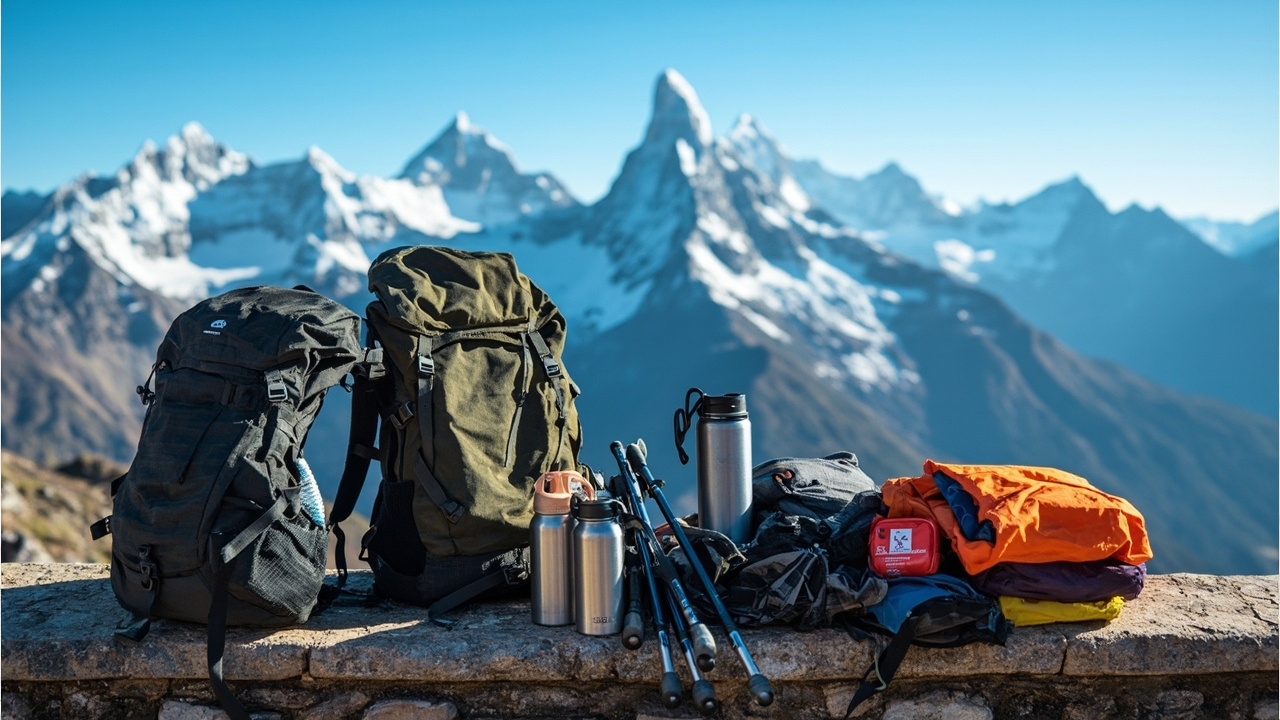
The preference for ultralight gear isn't just about comfort — it's about capability. A lighter pack means more miles per day, reduced injury risk, and the ability to carry more emergency or comfort items without exceeding a safe carry weight. For backcountry hunters and long-distance backpackers, shaving two pounds off a shelter system can translate directly into safer, longer expeditions.
According to Hunting Retailer's feature "Camping Trends: Lighter, Tighter and Rechargeable," customers are now asking specifically about gram weights and material specs at the point of sale — a question that was once reserved for elite athletes but is now common among weekend hikers.
Rechargeable Everything: The End of Disposable Battery Culture
The rechargeable gear revolution is arguably the most disruptive force in camping equipment right now. USB-C charging ports, integrated solar panels, and high-capacity lithium polymer batteries have made it practical to run an entire campsite — lights, navigation devices, satellite communicators, and even small cooking appliances — without a single AA or AAA battery.
Kim Strickland, an avid camper from Georgia, captured the sentiment shared by thousands: "I was so tired of trying to find batteries that would work and fit our headlamps... We went all rechargeable, and it's so much better."
Nebo, a flashlight and lighting brand, has become a standby name on the rechargeable gear shelf. Their systems offer USB-C recharging, multiple brightness modes, and run times measured in days rather than hours. Other brands making inroads include Black Diamond for headlamps, Goal Zero for solar-plus-battery station systems, and BioLite for camp stoves that generate electricity as a byproduct of combustion.
The environmental argument is equally compelling. A single rechargeable headlamp can replace hundreds of disposable batteries over its lifespan, reducing both cost and landfill waste. As Hunting Retailer noted in its trend report, camping retailers are now dedicating entire display sections to rechargeable lighting and power stations that were previously occupied by battery walls.
Compact and Multifunctional: Every Ounce Earns Its Space
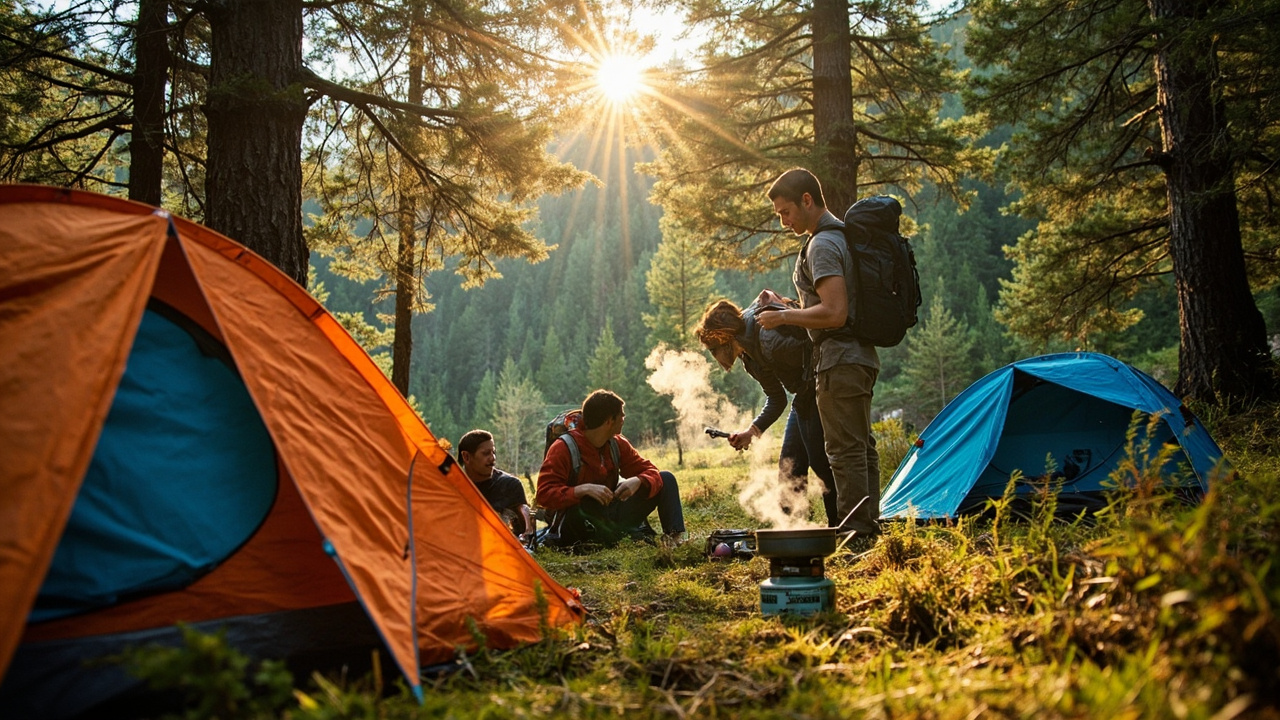
The third pillar of the 2024 gear trend is compactness and multifunctionality. Modern campers — especially families — are demanding gear that collapses, stacks, or converts into something else entirely.
Phil Kelly, a Massachusetts-based family camper, explained the practical reality: "It's easier to store and travel with smaller equipment. With kids, every inch of space counts."
This demand has driven a wave of product innovation:
- Camp chairs that compress to the size of a water bottle
- Inflatable sleeping pads with R-values previously only achievable with bulky foam
- Modular cookware sets that nest into a single compact unit
- Hammocks that pack into their own integrated stuff sack the size of a softball
- Tents using single-wall silnylon construction that weigh under two pounds
Joe Keller of Hunting Retailer observed that customers at retail are now asking a new first question: "How small does this pack down?" Storage convenience at home has become as important a buying criterion as performance in the field.
Freeze-dried meal brand Peak Refuel exemplifies this compact philosophy in the food category. Their meals are engineered for maximum caloric density in minimum package volume, with rehydration times under ten minutes — a direct answer to the demand for camp food that doesn't require a separate storage bin.
Digital Camping: Online Booking and the Tech-Savvy Campground
Gear isn't the only thing going high-tech. The 2023 Generational Campground Report — published by RMS North America and cited by Modern Campground — found that nearly 49% of surveyed campers now prefer online booking systems for campground reservations. This represents a fundamental shift in how the industry must operate.
Adelle Rodriguez, senior director of marketing at RMS North America, explained the implications: "Data from these reports gives campground operators understanding into camper behavior, ultimately assisting them in improving their offerings and customer experience."
Campgrounds that lack mobile-optimized booking systems are increasingly losing reservations to competitors who offer seamless digital experiences. The National Park Service's Recreation.gov platform, already one of the largest outdoor reservation systems in the world, processed millions of reservations in 2023 alone — a figure that continues to grow year over year.
The same report highlighted that 33% of campers cite cost as their primary campground selection criterion, and that campers are willing to travel an average of 179 miles to reach a suitable site. Families report spending approximately $200 per day on campsite fees — a figure that underscores the economic weight of campground operators getting their pricing and amenity mix right.
The Demographic Shift: Younger Campers, Higher Expectations
David Basler, chief strategy officer at the Outdoor Hospitality Industry (OHI), has publicly noted that the camping demographic is skewing younger. Gen Z and younger Millennials now represent a growing share of campground visitors, and they arrive with higher expectations for connectivity, sustainability, and gear quality than previous generations.
This demographic shift has direct implications for gear manufacturers. Younger campers are more likely to research gear specs online before purchasing, more likely to prioritize sustainability certifications, and more likely to share gear reviews on social platforms — making word-of-mouth product performance more consequential than ever.
The 2023 Generational Campground Report's headline finding — that 94% of participants plan to maintain or increase their camping frequency — suggests this younger cohort isn't a passing trend. It represents a durable, growing market with specific and evolving demands.
What to Buy Right Now: The Gear That Delivers
Based on retailer trends and verified user data, these categories represent the strongest value for 2024 camping and backpacking builds:
- Rechargeable headlamps (Nebo, Black Diamond Spot 400-R): USB-C charging, 400+ lumens, 200+ hour battery life
- Ultralight shelters (Big Agnes Copper Spur HV UL2, Zpacks Duplex): Sub-2-pound two-person options now widely available
- Solar-battery stations (Goal Zero Yeti 200X, BioLite BaseCharge 600): Practical for 3–5 day trips without grid access
- Compact camp chairs (Helinox Chair Zero, REI Co-op Flexlite Air): Under two pounds, pack to bottle-size
- Freeze-dried nutrition (Peak Refuel, Mountain House): High caloric density, 25-year shelf life, minimal pack volume
Bottom Line
The 2024 camping gear landscape rewards campers who invest in lighter, rechargeable, and compact systems. The data is clear, the retailer shelves confirm it, and the campers using this gear are covering more miles with less stress. As Hunting Retailer documented and the 2023 Generational Campground Report reinforced, this isn't a fleeting trend — it's the new baseline for anyone serious about spending quality time outdoors.
Whether you're planning your first National Park trip or your fiftieth backcountry hunt, the calculus is straightforward: lighter pack, rechargeable power, compact footprint. Start there, and everything else gets easier.
Sources referenced
- 2023 Generational Campground Report Unveils New Camping Trends (https://moderncampground.com/usa/2023-generational-campground-report-unveils-new-camping-trends/) informed this article's reporting and source checks.